

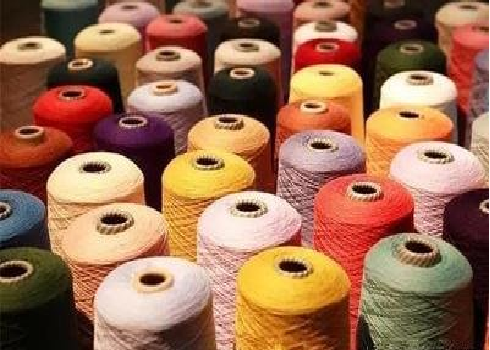
Last week (January 19-25, 2026), the domestic viscose staple fiber market continued its weak and stable trend, with market prices remaining weak but stable. The price of dissolving pulp, the main raw material, remained stagnant, providing only moderate cost support. The industry temporarily faced no inventory pressure, and the supply side was performing adequately, while demand remained lackluster. Downstream yarn manufacturers were mainly fulfilling existing contracts, and replenishment demand was limited. Viscose staple fiber prices fluctuated minimally, with fewer high-priced goods available on the market. A strong wait-and-see atmosphere prevailed, and prices are expected to remain low in the short term.
Market prices remained weak and stable
According to the commodity price analysis system of SunSirs, last week (January 19-25, 2026), viscose staple fiber manufacturers mainly maintained their previous prices, resulting in weak and stable prices. As of January 25, 2026, the average market price of viscose staple fiber was 12,800 RMB/ton, unchanged from the previous period, and the overall market transaction pace was slow.
Cost-side support was limited
Regarding costs, last week (January 19-25, 2026), the market price of dissolving pulp, the main raw material for viscose staple fiber, fluctuated little, remaining in a weak and stagnant state, providing limited support to viscose staple fiber prices. Specifically, the price of domestically produced dissolving pulp remained at around 6,700 RMB/ton, while the price of imported hardwood pulp was approximately US$800/ton, and the price of softwood pulp was around US$870/ton. In the auxiliary materials market, the prices of caustic soda and sulfuric acid remained largely stable with minor fluctuations, failing to provide effective cost support. Overall, the cost side remained relatively flat.
Downstream demand remained weak
The downstream rayon yarn market was performing weakly, becoming a key factor limiting demand for viscose staple fiber. Last week, the operating rate of rayon yarn factories showed no significant change, but the market was in its traditional off-season, resulting in unsatisfactory sales. In terms of price, the price of ring-spun R30S in Shandong province was around 17,200 RMB/ton, and the price of ring-spun R40S was approximately 18,300 RMB/ton, showing a slight downward trend. At the same time, physical inventory at rayon yarn factories continued to rise, and end-use fabric manufacturers lacked new orders, leading to reduced purchasing enthusiasm for viscose staple fiber and insufficient support from the demand side.
Market outlook
From a supply and demand perspective, the operating rate of viscose staple fiber plants is expected to remain stable in the short term, and some manufacturers have low inventory levels, providing relatively strong support from the supply side. However, there is unlikely to be a substantial improvement in demand from the end market, and downstream buyers will continue to purchase on an as-needed basis, resulting in limited demand-side driving force. Regarding raw materials, the main raw materials, dissolving pulp and sulfuric acid, are expected to remain largely stable, while the liquid caustic soda market may experience a slight decline, meaning cost support will remain insufficient.
Summary: Considering various factors such as costs and supply and demand, although the overall physical inventory of viscose staple fiber factories is not high at present, inventory is showing an upward trend. With the approaching Spring Festival holiday, downstream demand is weakening, and cost support is limited, resulting in weak and stable overall market sales. SunSirs expects that the price of viscose staple fiber will continue to operate at a weak and low level in the short term.
If you have any inquiries or purchasing needs, please feel free to contact SunSirs with support@sunsirs.com
- 2026-01-26
- 2026-01-22
- 2026-01-20
- 2026-01-15
- 2026-01-05 SunSirs: El mercado de fibras grapales viscosas experimentó una débil tendencia a la baja en diciembre


