

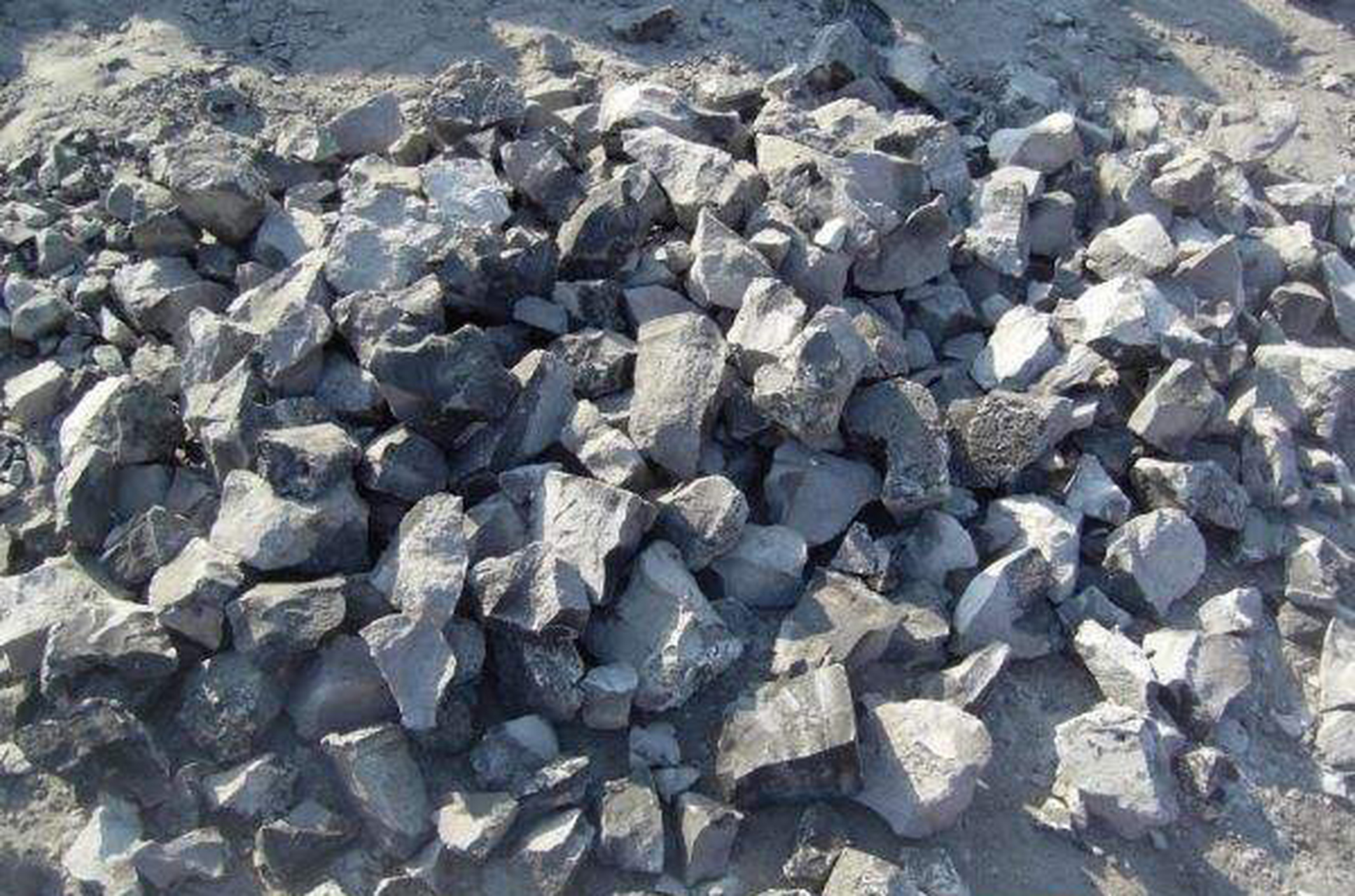
In mid-December, calcium carbide prices continued to fall. In the Wuhai region, some manufacturers saw their ex-factory prices drop by as much as 100 RMB/ton in the past week. From a supply and demand perspective, due to the previous continuous rise in calcium carbide prices, calcium carbide manufacturers increased their production, leading to an increase in market supply and greater inventory pressure on manufacturers. The downstream PVC industry remained weak and stable, with reduced operating rates and only moderate demand for calcium carbide.
Looking ahead to 2026, from a supply and demand perspective, the production of calcium carbide will be constrained by limited new capacity, resulting in limited room for growth. On the one hand, calcium carbide is a typical energy-intensive and coal-intensive industry, with a power consumption of up to 3,000 kWh per unit of product. Against the backdrop of continuously strengthened policies on dual control of energy consumption, the approval threshold for new capacity is extremely high. Only existing enterprises are allowed to achieve small increases through technological upgrades or capacity replacement, and these are mostly integrated projects supporting downstream PVC and BDO production, resulting in limited new supply of commercial calcium carbide.On the other hand, uncertainties in the cost of raw materials such as semi-coke and electricity will also constrain companies' willingness to increase production. In terms of plant operation, the operating rate of the calcium carbide industry is expected to see a structural improvement in 2026, driven primarily by the continued elimination of outdated capacity. Policy will continue to focus on small calcium carbide plants with a capacity of 100,000 tons/year or less, accelerating the exit of inefficient and high-emission capacity from the market by setting higher energy efficiency benchmarks and environmental emission standards. The "clearing out" of outdated capacity will drive resource concentration towards leading enterprises, which, thanks to their integrated "coal-electricity-semi-coke-calcium carbide" layout and technological advantages such as the replacement of traditional internal combustion furnaces with closed furnaces, possess higher production stability and energy efficiency levels.In 2026, calcium carbide exports are expected to continue their positive trend, becoming an important force in balancing domestic supply and demand. From the demand side, developing Asian countries such as India, Vietnam, and the Philippines are in a phase of accelerated industrialization. The construction and chemical industries in these countries are experiencing continuous growth in demand for downstream calcium carbide products such as PVC and BDO, which in turn drives the demand for Chinese calcium carbide imports. These countries have limited calcium carbide production capacity and relatively backward technology, making it difficult for them to meet domestic demand and resulting in a high dependence on Chinese calcium carbide, thus constituting a stable external demand market. Other policy factors will remain the core variables influencing the calcium carbide supply and demand pattern in 2026, with the overall direction continuing the dual-pronged approach of "strictly controlling new capacity and accelerating the phasing out of outdated capacity." At the national level, the government will continue to strictly approve new calcium carbide capacity projects, only allowing technological upgrade projects that involve equivalent or reduced capacity replacement, thereby controlling the industry's capacity scale at the source and preventing the exacerbation of overcapacity.Overall, the supply and demand landscape of the calcium carbide industry in 2026 will be characterized by "slow capacity growth, moderate production increase, improved operating rates, and stable export growth." Against the backdrop of strict policy control over new capacity and the continuous elimination of outdated capacity, the industry's supply side will become more concentrated and efficient. Demand will be supported by growth in emerging domestic downstream sectors (such as new energy materials and BDO) and demand from overseas Asian markets, maintaining moderate overall growth. The industry is expected to move towards a "tight balance" throughout the year, with potentially narrower price fluctuations. Leading companies with resource advantages, technological strengths, and established export channels will dominate the market competition.
Looking at the price trends in 2026, the price of calcium carbide will be influenced by various factors, including raw material costs, production costs, downstream demand, and government policies. The price of calcium carbide is expected to show a stable to slightly weak trend, mainly due to weak downstream demand and declining upstream raw material prices. In 2026, with the capacity expansion and demand growth in downstream industries such as PVC and BDO, the price of calcium carbide is likely to remain volatile and consolidate at a bottom level. The calcium carbide market in 2026 will be characterized by a complex interplay of forces: An upward ceiling: The main downstream industries, PVC and BDO, face profitability challenges and lack the capacity to pay for high-priced calcium carbide, thus setting an upper limit on calcium carbide prices. A downward floor: High energy costs and continuous supply-side constraints provide a solid cost base for calcium carbide prices. Intermediate fluctuations: Seasonal changes in demand, regional power policies or environmental production restrictions, and the pace of new BDO capacity coming online will continuously disrupt the fragile supply-demand balance, causing frequent price fluctuations. Therefore, the price of calcium carbide will most likely fluctuate repeatedly between these upper and lower limits, seeking a new market equilibrium point, resulting in a "volatile bottoming-out" pattern.
As an integrated internet platform providing benchmark prices, on December 23rd, the benchmark price of calcium carbide according to SunSirs was 2,616.00 RMB/ton, an increase of 3.56% compared to the beginning of the month (2,526.00 RMB/ton).
Application of SunSirs Benchmark Pricing:
Traders can price spot and contract transactions based on the pricing principle of agreed markup and pricing formula (Transaction price=SunSirs price + Markup).
If you have any inquiries or purchasing needs, please feel free to contact SunSirs with support@sunsirs.com


